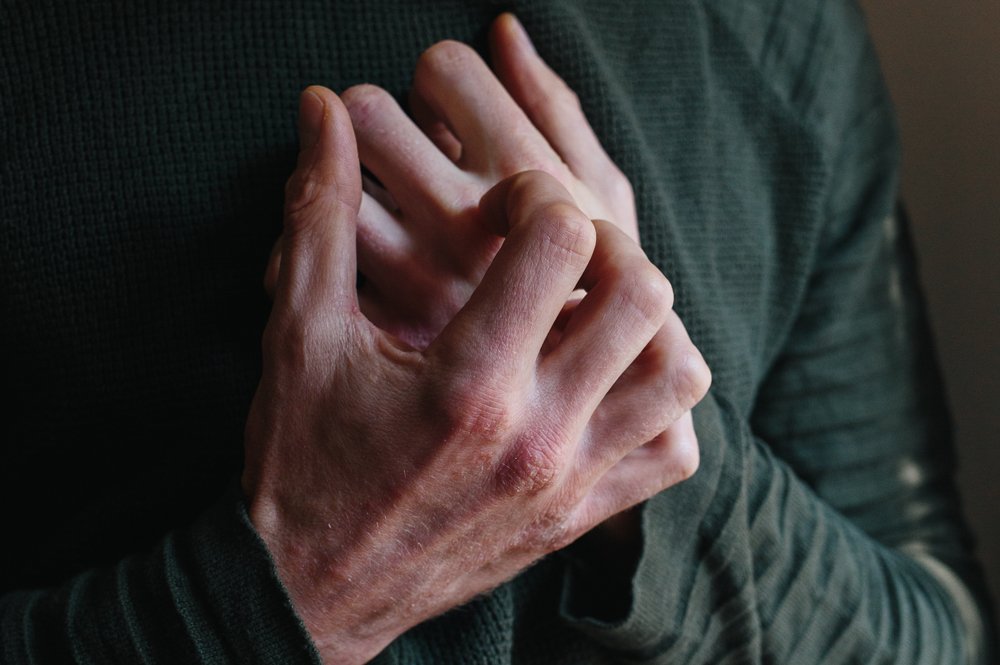
At Novus Health, we understand how challenging it can be to live with eczema, a skin condition that affects millions of people worldwide. Whether you’ve just been diagnosed or have been managing eczema for years, we want you to know that you’re not alone. Our dedicated dermatology team is here to offer support, guidance and effective treatment options to help you manage your condition and live more comfortably.
What is Eczema?
Eczema, also known as atopic dermatitis, is a common skin condition characterised by inflamed, itchy and sometimes scaly patches on the skin. While it can affect anyone, it is particularly prevalent in children, though adults can also experience flare-ups. Eczema is a chronic condition, meaning it can persist for long periods and may have periods of flare-ups followed by periods of calm. While it may not be possible to completely cure eczema, the good news is that it can be managed with the right care.
What Causes Eczema?
The exact cause of eczema is not fully understood, but it is believed to result from a combination of genetic and environmental factors. People with eczema tend to have a genetic predisposition to the condition, often inherited from their parents. This means that if a family member has eczema, asthma or hay fever, you may be more likely to develop the condition.
The skin of those with eczema has a weakened barrier, which makes it less effective at keeping moisture in and harmful substances out. As a result, the skin can easily become dry, irritated, and inflamed. Environmental factors such as allergens, stress, certain fabrics, soaps and even the weather can trigger eczema flare-ups. While these triggers can vary from person to person, identifying and avoiding them can significantly reduce symptoms.
Recognising the Symptoms of Eczema
Eczema can appear in many forms and its symptoms may differ from person to person. However, some common signs include:
Itchy Skin: One of the most noticeable symptoms of eczema is intense itching. It’s often so severe that it can interfere with daily activities and sleep.
Red, Inflamed Skin: Areas of the skin may become red, swollen and inflamed. These areas may also become rough or leathery over time.
Dry, Cracked Skin: Eczema can cause the skin to dry out, leading to cracks or fissures that may bleed or become more susceptible to infections.
Blisters: In some cases, eczema can cause small fluid-filled blisters that may ooze or crust over when scratched.
Thickened Skin: In chronic eczema, the skin may become thickened or leathery due to persistent scratching and inflammation.
The areas most commonly affected by eczema include the hands, feet, behind the knees, elbows and face, although it can appear anywhere on the body.
Managing Eczema: Treatments and Care
At Novus Health, we are dedicated to helping you manage your eczema and improve the quality of your skin health. While there is no one-size-fits-all treatment, there are several approaches that can help alleviate symptoms and prevent flare-ups. Our dermatology team is here to guide you through the process of finding a personalised treatment plan that works for you.
- Moisturisation: Keeping your skin hydrated is crucial. Use fragrance-free, gentle moisturisers regularly to prevent dryness and reduce the irritation that comes with eczema. This helps to create a protective barrier on your skin.
- Topical Steroids: For inflammation and itching, doctors often prescribe topical steroids. These creams or ointments help reduce the redness and swelling of the skin. Your healthcare provider will guide you on how to use these treatments safely.
- Topical Immunomodulators: These are non-steroidal treatments that help control the immune system’s response to inflammation. They can be an alternative for those who prefer to avoid steroids.
- Antihistamines: If itching is severe, antihistamines may be recommended to reduce the urge to scratch and allow your skin to heal.
- Avoiding Triggers: Identifying and avoiding triggers such as certain foods, harsh weather conditions, or fabrics like wool can be a vital step in managing eczema. Keeping a journal to track flare-ups may help pinpoint specific triggers.
- Phototherapy: In some cases, light therapy can help reduce eczema symptoms by exposing the skin to controlled doses of ultraviolet light.
- Lifestyle Modifications: Managing stress is crucial, as stress can worsen eczema flare-ups. Practising relaxation techniques, mindfulness and making time for self-care can have a positive impact on your skin.
Support at Every Step
Living with eczema can sometimes feel like an uphill battle, but at Novus Health we want to reassure you that there are many effective treatments available. Our dermatology experts are here to listen to your concerns, assess your condition and work with you to develop a treatment plan tailored to your individual needs. We take a compassionate, patient-centred approach to care because we truly care about your well-being.
If you or someone you know is struggling with eczema speak with your GP to e referred into our dermatology service. We are here to help you navigate the challenges of eczema and provide the care and support you deserve. With the right treatment, you can regain control of your skin and enjoy a healthier, more comfortable life.